For Personalized Live in Care Guidance
What Do Live-in Carers Do?
Live-in carers provide comprehensive, round-the-clock support that enables individuals to remain in the comfort of their own homes while receiving the care they need. Unlike visiting care services that offer intermittent support throughout the day, live-in care offers a dedicated professional who resides in your home, providing continuous assistance and companionship.
For many families, live-in care represents an ideal alternative to residential care homes. It allows loved ones to maintain their independence, continue familiar routines, and stay connected to their communities while receiving personalized support tailored to their specific needs and preferences.
Personal Care and Daily Living Support
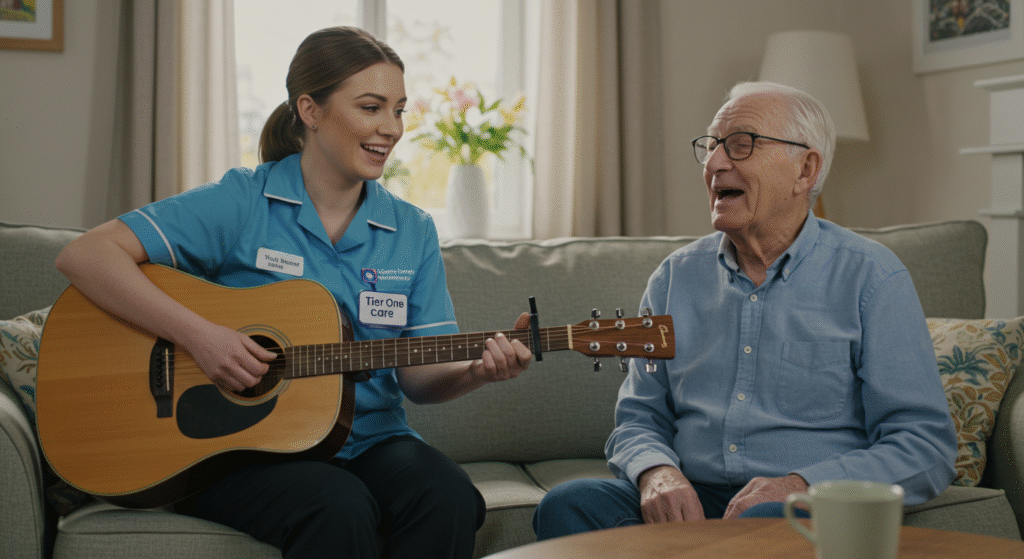
One of the primary responsibilities of a live-in carer is to assist with personal care needs. This includes helping with bathing, dressing, grooming, and toileting in a dignified and respectful manner. The carer works closely with each client to understand their preferences and maintain their privacy and dignity throughout these intimate care tasks.
Beyond personal hygiene, live-in carers help manage medication regimens, ensuring prescriptions are filled and medications are taken at the correct times and in the proper dosages. They can also monitor health conditions, noting any changes that may require medical attention and coordinating with healthcare professionals as needed.
Meal preparation is another essential service provided by live-in carers. They can plan and cook nutritious meals that cater to dietary requirements and personal preferences. From grocery shopping to serving meals, carers ensure clients maintain proper nutrition and hydration, which is crucial for overall health and wellbeing.
Household Management
Live-in carers take on various household responsibilities to maintain a clean, safe, and comfortable living environment. This typically includes light housekeeping duties such as dusting, vacuuming, and tidying living spaces. They also handle laundry, changing bed linens, and ensuring clothes are clean and properly stored.
Many carers also assist with shopping and errands, either accompanying clients on outings or handling these tasks independently. This might include picking up prescriptions, posting mail, or purchasing household necessities. For clients with pets, carers often help with pet care, ensuring beloved animal companions continue to receive proper attention and care.
Home safety is a priority for live-in carers, who continuously assess the living environment for potential hazards and implement preventative measures to reduce the risk of falls or accidents. This proactive approach helps clients maintain independence while minimizing safety concerns.
Companionship and Emotional Support
Perhaps one of the most valuable aspects of live-in care is the companionship it provides. Loneliness and social isolation can significantly impact mental and physical health, particularly among older adults. Live-in carers offer consistent companionship, engaging in conversations, shared activities, and meaningful interactions that foster emotional wellbeing.
Carers often participate in hobbies and interests alongside their clients, whether that’s gardening, reading, playing cards, or watching favorite television programs. They can also facilitate social connections by helping clients stay in touch with family and friends, accompanying them to social gatherings, or supporting participation in community activities.
The emotional support provided by live-in carers extends beyond companionship. They offer reassurance during difficult times, celebrate achievements and special occasions, and provide a listening ear when clients need to express concerns or share memories. This emotional connection contributes significantly to quality of life and mental wellbeing.
Specialized Care for Complex Needs
Live-in carers are often specially trained to support individuals dealing with complex health conditions. They offer a personal touch that goes beyond basic care, focusing on maintaining dignity and reducing anxiety while creating a routine that adapts to changing needs.
Dementia Care:
Carers use person-centered approaches to support those living with dementia.
They focus on preserving dignity, minimizing stress, and creating a structured yet flexible routine.
Recovery and Chronic Condition Support:
Clients recovering from surgery or managing conditions like Parkinson’s, multiple sclerosis, or the effects of a stroke receive tailored support.
This may involve help with mobility, specialized exercises, or adjusting activities to meet physical needs.
End-of-Life Care:
Live-in carers provide compassionate care that prioritizes comfort, dignity, and quality of life.
They collaborate with palliative care teams to manage symptoms and offer emotional support to both clients and their families.
Respecting the client’s wishes is at the core of their approach.
By offering specialized care, live-in carers ensure that individuals with complex needs receive the support they deserve in a way that respects their personal preferences and challenges.
- Promoting Independence: A key principle of live-in care is to encourage independence while respecting personal choice. Instead of taking over tasks entirely, skilled carers support clients in maintaining independence by providing the necessary assistance to safely participate in daily activities.
- Person-Centered Approach: Carers focus on respecting clients' preferences in all aspects of care, including routines, meals, activities, and personal care. This approach helps maintain the client’s sense of control and autonomy.
- Decision-Making Involvement: By involving clients in decision-making and honoring their choices, live-in carers ensure that care remains personal and dignified, which is often lacking in institutional care settings.

Finding the Right Live-in Carer
The success of live-in care arrangements largely depends on finding a carer whose skills, experience, and personality align well with the client’s needs and preferences. Reputable care providers conduct thorough assessments to understand specific requirements and carefully match clients with compatible carers.
When selecting a live-in carer, consider factors such as experience with relevant health conditions, shared interests or hobbies, communication style, and practical skills like cooking or driving. Many care providers arrange trial periods or introductory meetings to ensure a good match before committing to long-term arrangements.
The Benefits of Choosing Live-in Care
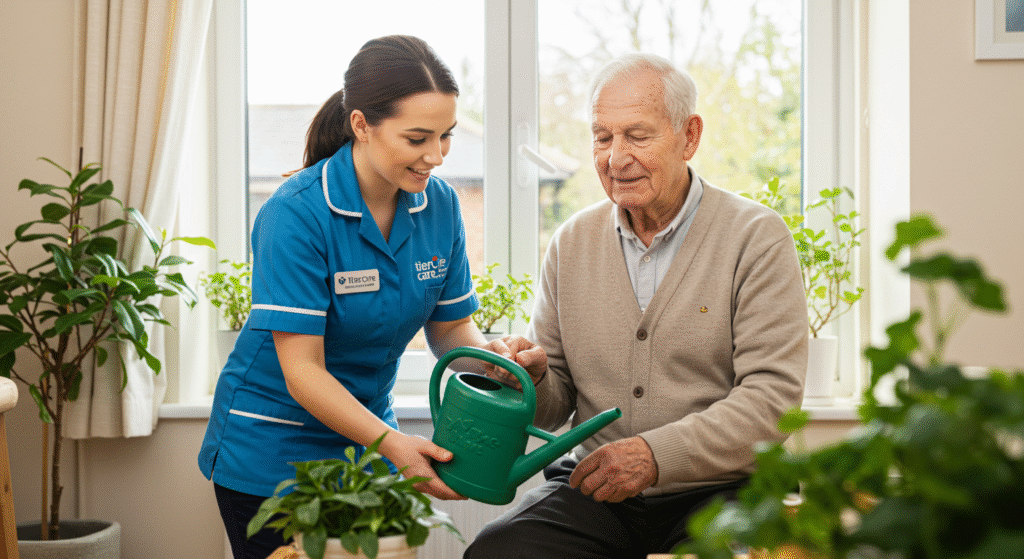
- Live-in care offers numerous advantages compared to residential care options.
- Remaining in familiar surroundings can be especially beneficial for individuals with dementia or cognitive impairments, as it reduces confusion and provides environmental cues that support memory and functioning.
- The one-to-one nature of live-in care ensures personalized attention, unlike care homes where staff must divide their time among many residents.
- This individualized approach caters to unique needs, preferences, and schedules rather than following institutional routines.
- For couples, live-in care allows them to stay together even when one partner requires significant support.
- Unlike many care homes that may separate couples due to differing care needs, live-in care keeps them together.
Hear What Our Clients Says

For reliable health information, visit the NHS website.

We support Age UK in their mission to help older people.

We recognize and support the crucial work of unpaid carers. Like Carers UK.

Regulated by the Care Quality Commission.

If you’re exploring care options for yourself or a loved one, live-in care offers the ideal combination of professional assistance and continued independence within familiar surroundings.
Why Choose Live-in Care?
Live-in carers offer comprehensive support that includes personal care, household management, companionship, and specialized assistance for complex health conditions. This service allows individuals to stay in the comfort of their own homes while receiving professional care, making it a valuable alternative to residential care facilities.
The personalized approach of live-in care emphasizes dignity, independence, and individual choice. This focus helps clients maintain their quality of life, even when facing health challenges or age-related difficulties. For families, it brings peace of mind, knowing that their loved one has round-the-clock support from a dedicated carer.

Contact Us
Phone: 08085013866
Email: support@tieronecare.co.uk
Head office
182-184 High Street North
East Ham
London
E6 2JA
Information
About Us
Careers
Blog
Legal
Privacy Policy
Cookie Policy
Terms & Condition